

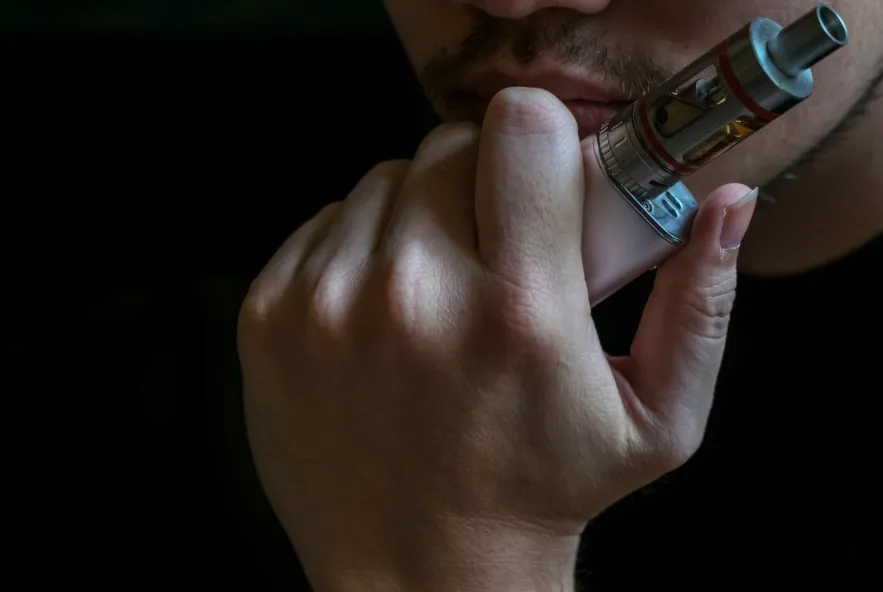
Early vapes were clunky. They leaked in pockets, burned out coils, and died halfway through the day. Many users gave up in frustration.
Today’s devices are a big step up. They are slim, sealed, and packed with small chips that keep things running safely. In this post, we will look at the hardware ideas behind that change: leak-resistant pods, ready-to-use devices, and heated tobacco sticks. This guide is for adult smokers only. These products are not risk-free, and nicotine is addictive.
Why Hardware Matters
Good design is not just about looks. It affects how a device feels, how well it works, and how safe it is to use. A leaky pod wastes liquid and can make a mess. A weak battery can be a safety risk. A poor airflow design can make every puff feel harsh.
That is why makers now put so much work into the small details. Let’s start with pods.
Leak-Resistance and Ergonomics
A closed pod is a small, sealed cartridge. It holds the e-liquid and the coil. You click it into a rechargeable battery, and you are ready to go.
Leaks used to be the biggest complaint. Modern pods fix this in a few smart ways:
-
Tight seals that keep liquid where it belongs
-
Better wicking so liquid reaches the coil at a steady pace
-
Air channels shaped to stop liquid from pooling
-
Snug pod fits that click into place without gaps
Ergonomics matter too. A good device should feel natural in your hand and at your lips. Many pod devices now use slim, rounded bodies and soft mouthpieces. Some are small enough to hide in a closed hand. If you would like to see how these ideas come together, Relx Dubai is a helpful place to compare slim closed-pod devices and matching pods.
Ceramic Coils: Small Part, Big Impact
Inside every pod is a coil. It heats the liquid into vapor. For years, most coils were made of metal wire wrapped around cotton. These worked, but they could give off a burnt taste when they got old.
Ceramic coils changed that. They use a porous ceramic material that holds liquid and heats it evenly. Here is why many makers prefer them:
-
Even heating. The whole surface warms at the same rate.
-
Cleaner taste. Flavors tend to come through more clearly.
-
Longer life. Ceramic can last longer before tasting burnt.
-
Steady performance. Puffs feel more consistent from start to finish.
Ceramic is not magic, though. Any coil can burn if you use it dry. If the taste turns harsh or burnt, swap the pod. Do not push through.
Airflow: The Hidden Detail
Airflow decides how a puff feels. Tight airflow feels like a cigarette draw. Looser airflow feels more like a deep breath. Most small pod devices lean toward the tighter style, because it suits smooth nicotine salt liquids.
Good airflow design also helps with leaks. When air moves smoothly through the pod, liquid is less likely to be pushed out the wrong way. It also keeps the coil cooler, which protects the flavor.
Smart Chips Inside
Most modern devices contain a tiny chip. It works quietly in the background, and it does several jobs:
-
Battery monitoring to show when to charge
-
Overheat protection to shut things down if temperatures climb
-
Short-circuit protection to guard against electrical faults
-
Puff timers that stop a single puff from running too long
These features do not make a device risk-free. But they add a layer of safety that older gadgets lacked.
Ready-to-Use Portable Devices
Not everyone wants to fiddle with pods or chargers. That is where ready-to-use devices come in. A disposable vape comes pre-filled and pre-charged. You take it out of the box and start using it.
The key piece of tech here is draw activation. A small sensor inside the device notices when you inhale. It turns on the coil for you. There are no buttons to press and no settings to learn. When you stop drawing, the coil shuts off.
This makes disposables very beginner friendly. They are also light and pocket sized. Flavor range is a big draw, too. If you want to see how wide the choices can be, browsing Elfbar Flavors gives a good look at what single-use devices offer.
Disposables do have limits. They cost more over time, and they create waste. Once the battery or liquid runs out, the whole device is done. Never throw them in the regular trash. They contain lithium batteries, so use a local e-waste or battery recycling point.
Heat-Not-Burn Stick Engineering
Vape devices are not the only place where engineering has advanced. Heat-not-burn (HNB) devices heat real tobacco instead of burning it. The design of the stick itself is a big part of how this works.
A heated tobacco stick looks a bit like a small cigarette, but it is built very differently. It has several parts:
-
A tobacco plug. This holds the tobacco material that gets heated.
-
A paper wrap. Special paper holds the stick together.
-
A cooling segment. This lets the aerosol cool before it reaches your mouth.
-
A filter. This sits at the mouth end.
-
A metal element. In induction systems, this small piece heats up inside the stick.
How the Tobacco Is Processed
The tobacco in these sticks is not the same as in a regular cigarette. Instead of loose shredded leaf, makers often use processed tobacco. Tobacco leaf is ground and mixed with water and plant fibers. It is then formed into thin sheets, dried, and cut into small pieces.
This step gives makers more control over the taste and how the tobacco heats. Ingredients such as glycerin are often added. When warmed, glycerin helps form the aerosol you inhale. The paper wrap is also designed to hold up at lower heat without burning.
Sticks and devices must match. A stick made for an induction device will not work properly in a blade-style device. If you want to see what compatible options look like, a shop like Terea Dubai shows the range of flavors and strengths for heated tobacco hardware. Always check compatibility before you buy.
Heating tobacco produces fewer harmful chemicals than burning it. But it still makes an aerosol with nicotine and other substances. Health authorities say it is different from smoking, not safe.
Safety Habits That Apply to Everything
No matter which device you choose, some rules stay the same:
-
Use the right charger. Stick with the cable that came in the box.
-
Never charge overnight. Do not leave devices unattended while charging.
-
Avoid heat. Do not leave a device in a hot car.
-
Buy from trusted sellers. Fake devices may have poor batteries and no safety chips.
-
Check the packaging. Look for sharp printing, correct spelling, and verification codes.
-
Keep everything away from children and pets.
Final Thoughts
Vaping hardware has come a long way. Leak-resistant pods, ceramic coils, and smarter airflow make devices cleaner and easier to use. Draw-activated disposables offer simple, ready-to-go convenience. Heated tobacco sticks show how much engineering goes into even a small piece of paper and tobacco.
But better design does not remove the risks. These products are for adult smokers only. They are not risk-free, and nicotine is addictive. Always follow local laws. If your goal is to quit nicotine entirely, a healthcare professional can help you make a plan that works for you.
Stay informed, choose carefully, and put your health first.