

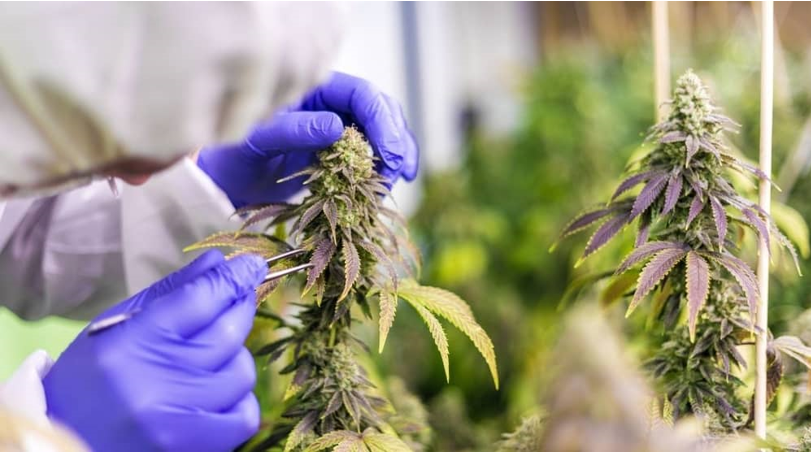
Keeping a mother plant allows a grower to preserve selected genetics and produce future cuttings without purchasing a new plant for every cycle. The idea sounds simple, but long-term mother-stock management requires space, sanitation, records, and regular observation. A plant kept for repeated propagation should be treated as a valuable genetic resource rather than an ordinary production plant.
Define the Purpose of the Program
Before selecting a mother, decide why the plant is being kept. A personal grower may want reliable access to one preferred cultivar, while a commercial operator may need consistent batches on a schedule.
The purpose affects the number of mothers, room size, labeling system, and replacement plan. Keeping more genetics than the space can support often creates crowded conditions and weakens oversight.
Select from Healthy, Verified Stock
A mother candidate should come from a source with clear genetic records and strong plant-health practices. Buyers should review rooting, stem strength, leaf condition, and supplier communication before choosing a long-term plant.
A reputable Marijuana Nursery should explain whether the plant comes from verified female mother stock and how its identity is maintained. The new grower should not assume that a familiar strain name is sufficient evidence.
Evaluate the Plant Before Committing
A newly purchased plant should not be designated immediately as permanent mother stock. It should be observed for health, structure, and stability. Any pest, disease, or labeling concern should be resolved before the plant becomes the source of future cuttings.
Some growers evaluate a plant through a complete cycle before deciding whether its characteristics are worth preserving. This takes longer but provides more information than selecting only from early vegetative appearance.
Create a Dedicated Area
Mother plants remain in vegetative development, so they need a separate lighting and environmental plan from flowering plants. The area should provide enough space for inspection, pruning, watering, and airflow.
Crowding creates weak inner growth and makes pests harder to detect. A dedicated area also reduces the chance that tools or plant material move unnecessarily between different rooms.
Maintain Clear Labels and Records
Every mother should have a unique identifier linked to source, arrival date, supplier information, and observation notes. Cuttings should remain connected to that identifier through rooting and distribution.
This is one of the most important practices used by a professional clone nursery. Without traceability, mix-ups can continue through several cycles and become difficult to correct.
Build Sanitation into Every Task
Tools should be cleaned before and between plants. Dead leaves and spilled media should be removed, and work surfaces should remain easy to clean. Incoming plants should be inspected separately before entering the mother area.
A mother plant can distribute a hidden problem to every cutting taken from it. Prevention therefore has greater value in a mother program than in a single short-lived crop.
Manage Size Without Creating Stress
Mother plants need regular structural management so they remain accessible and continue producing healthy growth. The goal is a balanced plant that can be inspected from all sides.
Any pruning or training should be performed gradually and with clean tools. Aggressive work on a stressed plant can reduce vigor and complicate later evaluation.
Support Long-Term Root Health
The container or system should provide enough root space for the expected duration. Poor drainage, salt buildup, root binding, or unstable hydroponic conditions can shorten the useful life of the plant.
Watering and feeding should support steady vegetative health rather than maximum speed. A mother plant is a long-term asset, so consistency matters more than rapid growth.
Decide How Cuttings Will Be Rooted
The propagation method should match available equipment, sanitation capacity, and the intended growing system. The grower should understand how the chosen medium will transfer into the next stage.
Because propagation can spread problems quickly, each batch should be labeled and observed. Weak or questionable cuttings should not be mixed with healthy groups.
Plan for Replacement
Mother plants do not remain ideal forever. Age, repeated stress, root limitations, or declining health may reduce consistency. A replacement strategy prevents the program from depending on one plant indefinitely.
Growers may maintain a younger backup from verified material, provided legal plant limits and space allow. The old and new plants should remain clearly identified during the transition.
Keep the Program Within Capacity
A small, well-managed mother collection is more useful than a large room with poor records. The grower should consider daily time, electricity, water, sanitation, and legal plant counts before expanding.
Commercial operators may also need licensing, inventory, and transfer procedures. Current official guidance should be checked rather than assumed.
Review Performance Regularly
Records can show whether one mother produces weaker cuttings, develops recurring symptoms, or requires more intervention than others. These patterns help the grower decide whether to retain, replace, or remove a plant.
A scheduled review is more reliable than waiting for a serious problem.
Control Access to the Mother Area
The mother space should not become a general storage or work room. Limiting access reduces accidental contamination and makes environmental changes easier to trace. Visitors, outdoor equipment, and plants from unknown sources should not move through the area casually.
A simple entry routine can include clean hands, dedicated tools, and a quick inspection before work begins. These habits may appear minor, but repeated cuttings can spread one overlooked problem through every future batch.
Match Production to Actual Demand
Taking more cuttings than the next room can use creates crowding and wasted labor. The grower should estimate realistic demand and schedule propagation around available space. Predictable, smaller batches are easier to label, inspect, and manage than occasional oversized groups.
Conclusion
A mother-plant program succeeds through genetic traceability, sanitation, root health, dedicated space, and realistic capacity. Selecting a healthy plant is only the beginning; long-term management determines whether future cuttings remain consistent.
Growers who keep clear records, observe plants before committing, and maintain a replacement plan can preserve valued genetics more responsibly. The strongest program is organized, limited in scale, and built around prevention rather than emergency correction.